If you’ve ever impulse-bought a bag of colorful fish at the pet store and then panicked on the drive home, there’s a solid chance guppy fish care is what you’re now frantically Googling, and honestly, you picked a great fish to start with.
Guppies are one of those rare species that genuinely deserve the “beginner-friendly” label. They’re hardy, cheap, wildly colorful, and have more personality than fish three times their size. I’ve kept guppies on and off for over a decade, and they’re still one of my go-to recommendations for anyone setting up their first community tank. That said, “easy” doesn’t mean “zero effort.” I’ve watched plenty of people lose guppies within weeks because they skipped the basics: wrong water temp, overstocking a tiny tank, or dumping in goldfish flakes and calling it a day. This guide covers everything you actually need to know to keep guppies alive, healthy, and breeding like crazy (whether you want them to or not).
Disclosure: This post contains affiliate links. If you purchase through a link on this page, we may earn a small commission at no extra cost to you. We only recommend products we’d use in our own tanks.
Quick Overview
| Attribute | Detail |
|---|---|
| Common Names | Guppy, Fancy Guppy, Millionfish, Rainbow Fish |
| Scientific Name | Poecilia reticulata |
| Family | Poeciliidae |
| Origin | Northeast South America (Venezuela, Guyana, Brazil, Trinidad & Tobago) |
| Adult Size | Males: 1–1.5 inches (2.5–3.8 cm) · Females: 1.5–2.5 inches (3.8–6 cm) |
| Lifespan | 2–3 years (with proper care) |
| Tank Size | 10 gallons minimum for a small group |
| Temperature | 72–82 °F (22–28 °C) · Ideal: 76–78 °F |
| pH | 6.8–7.8 |
| Temperament | Peaceful, active, social; best kept in groups of 3+ |
| Diet | Omnivore |
| Care Level | Easy |
Appearance: What Do Guppies Look Like?
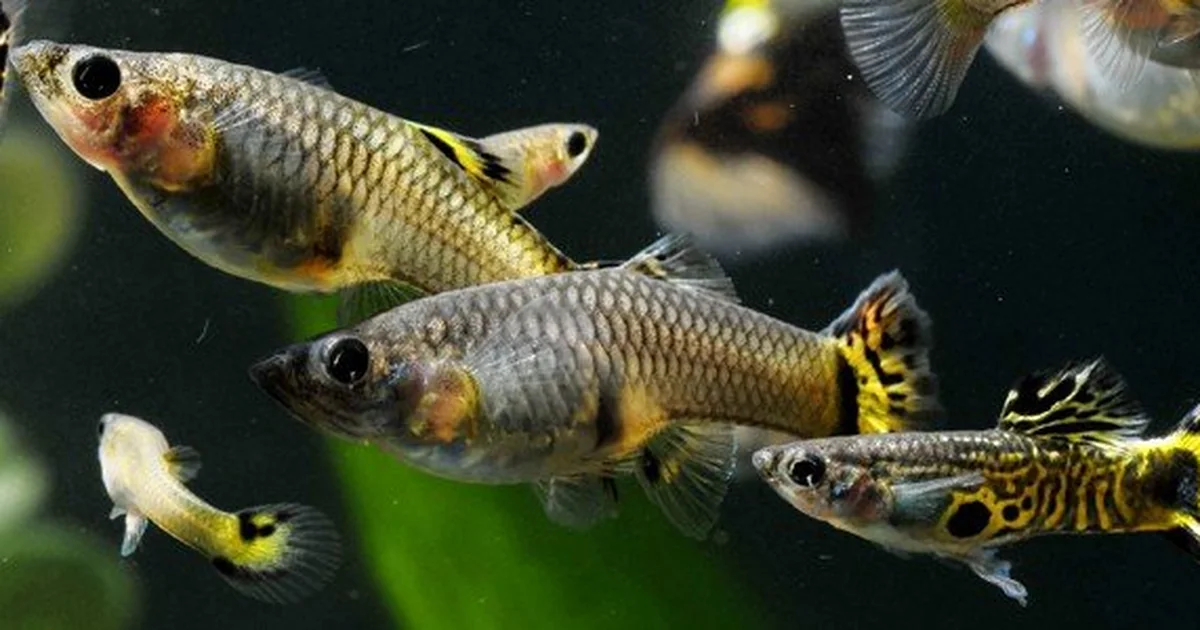
Here’s the thing about guppies: the males are the showstoppers. They’re smaller than females but make up for it with insanely vibrant colors and elaborate tail fins that trail behind them like tiny underwater capes. You’ll find males in practically every color combination imaginable: metallic blues, fiery reds, electric greens, sunset oranges, deep purples, and multicolor patterns that look like someone took a paintbrush to them.
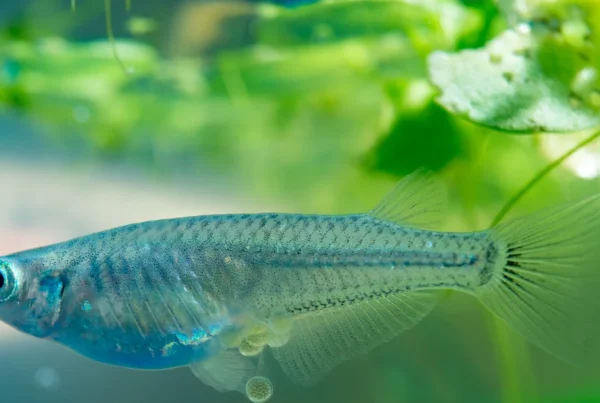
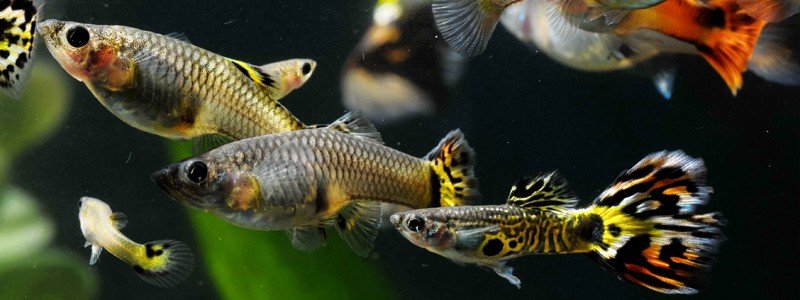 Females are larger and rounder, especially when they’re carrying fry (which, spoiler alert, is almost always). Their coloring is typically more muted, usually a silvery gray or olive tone, though selectively bred females can show decent color too. The easiest way to tell males from females is the anal fin: males have a narrow, pointed fin called a gonopodium (their reproductive organ), while females have a fan-shaped anal fin. Females also develop a dark “gravid spot” near their tail when pregnant.
Tail shape varies wildly depending on the variety. You’ll see round tails, fan tails, lyretails, swordtails, spear tails, and the dramatic veil tails that flow like silk. Body patterns range from solid single colors to complex snakeskin, leopard, and mosaic designs. Decades of selective breeding have produced an almost absurd diversity, and that’s half the fun of keeping them.
Popular Guppy Types and Varieties
The world of guppy varieties is genuinely overwhelming. Between tail shapes, body patterns, and color morphs, there are easily 50+ recognized types. Here are the ones you’re most likely to encounter, and the ones worth seeking out if you want to explore rare guppy breeds.
| Variety | Description |
|---|---|
| Fancy Guppy | The broad category for selectively bred guppies with ornate tails, vivid colors, and unique fin shapes. Most pet store guppies fall here. Wide range of colors and patterns. These are the ones bred for shows and competitions. |
| Endler’s Guppy | A closely related species (Poecilia wingei) that’s smaller, slimmer, and closer to wild guppies. Males are bursting with neon colors: greens, oranges, and blacks in metallic patches. Hardy and less prone to the genetic issues that plague overbred fancy lines. |
| Cobra Guppy | Named for the snakelike, maze-like rosette pattern across the body and tail. Available in red, green, and gold variations. One of the more striking body patterns, with markings that are bold and easily visible. |
| Tuxedo Guppy | Features a dramatic dark coloration on the lower half of the body contrasted with a bright, colorful upper half, like they’re wearing a tiny tuxedo. Common in blue, red, and yellow color forms. |
| Dumbo Ear (Elephant Ear) | Named for their oversized, fan-like pectoral fins that resemble elephant ears. These large fins give them a graceful, flowing appearance as they swim. Available in many color combinations. Slightly more delicate than standard guppies. |
| Snakeskin Guppy | Displays a fine, chain-link or rosette pattern across the body that resembles snakeskin. Often confused with cobras, but the pattern is tighter and more uniform. Comes in a wide range of base colors. |
| Moscow Guppy | Prized for deep, solid-color coverage across the entire body and tail. Moscow blues and Moscow greens are especially popular. The color intensity on a good Moscow line is hard to beat. |
| Mutt Guppy | Mixed-breed guppies with no specific lineage. Often the hardiest of the bunch since they haven’t been inbred for specific traits. Great for beginners who just want colorful, tough fish without paying premium prices. |
Tank Setup
Tank Size
I recommend starting with a 10-gallon tank minimum for guppies. Yes, you’ll see some guides say 5 gallons is fine, and technically a single guppy can survive in that, but guppies are social fish that need to be kept in groups of at least three, and they’re active swimmers that use every inch of space. A 10-gallon gives you room for a group of 5–6 guppies comfortably, plus a margin of error on water quality. If you’re interested in smaller setups for other species, check out our guide to the best fish for 5-gallon tanks.
A general rule: budget about 2 gallons per guppy. If you plan on breeding (or just keeping males and females together, which is the same thing), go bigger. A 20-gallon long is my personal sweet spot for a dedicated guppy colony. The extra horizontal swimming space makes a real difference in how active and colorful they’ll be.
Filtration
Guppies don’t need anything fancy for filtration, but they do need a filter, period. A sponge filter is a popular choice for guppy tanks because it provides gentle flow (guppies don’t love strong currents, especially fancy varieties with big tails) and it won’t suck up fry if you’re breeding. A hang-on-back filter works great too; just cover the intake with a sponge prefilter if you have babies in the tank. For a deeper dive into filter options, check out our best aquarium filters roundup.
Heating
Guppies are tropical fish. They need a heater unless you live somewhere that stays consistently between 76–78 °F year-round (you probably don’t). Temperature swings are a bigger killer than being a degree or two off target, so keep it stable. An adjustable heater rated for your tank size is the way to go. I’d aim for 76–78 °F as the sweet spot: warm enough for good metabolism and color, but not so warm that you’re shortening their lifespan. For recommendations, take a look at our guide to the best aquarium heaters.
Water Conditions
Guppies are adaptable, but they do best in slightly alkaline, moderately hard water. Here are the parameters to aim for:
| Parameter | Target Range |
|---|---|
| Temperature | 72–82 °F (22–28 °C) · Ideal 76–78 °F |
| pH | 6.8–7.8 |
| General Hardness (GH) | 8–12 dGH |
| Ammonia | 0 ppm |
| Nitrite | 0 ppm |
| Nitrate | Below 20 ppm (lower is better) |
Weekly water changes of 25–30% are non-negotiable. Guppies produce a decent bioload for their size, and if you’re breeding, that multiplies fast. Use a good dechlorinator every time you add new water, and test your parameters regularly, especially in the first few months of a new tank.
Substrate, Plants, and Decorations
Guppies aren’t picky about substrate. Gravel, sand, or bare bottom all work. I personally prefer fine gravel or sand because it’s easier to keep clean and looks good with plants. Speaking of plants, live plants are a huge plus in a guppy tank. Java moss, hornwort, guppy grass (appropriately named), and water sprite all provide cover for fry and help absorb nitrates. Dense floating plants like water lettuce or Amazon frogbit give guppies shade and reduce stress.
Avoid decorations with sharp edges. Those flowing guppy tails tear easily, and a torn fin is an open invitation for bacterial infection. Smooth driftwood, round river rocks, and live plants are your best bet.
Diet and Feeding
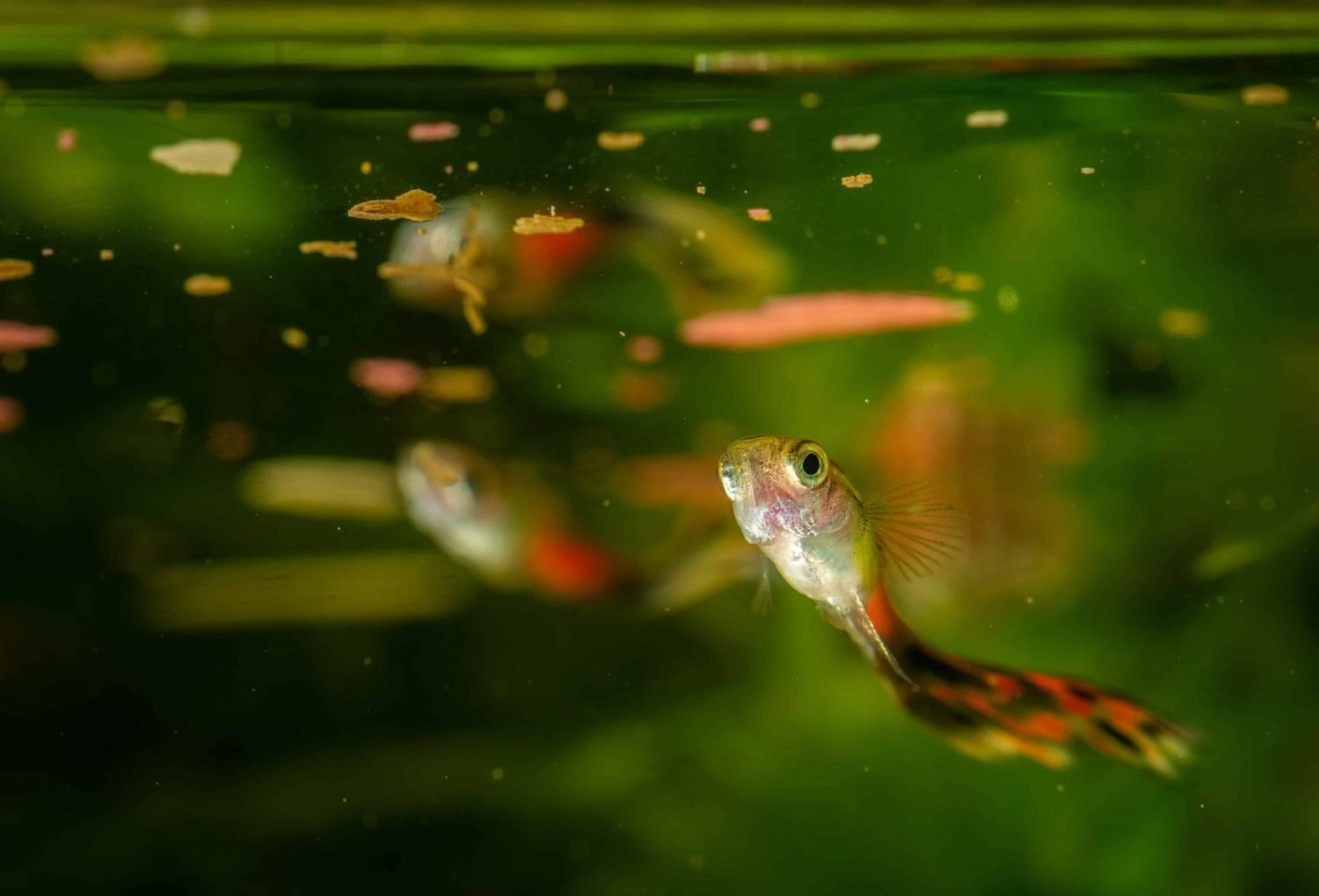
Guppies are omnivores that will eat just about anything you put in the tank. In the wild, they graze on algae, small insects, insect larvae, and plant matter. In captivity, variety is key. Don’t just dump in the same flake food every day and expect great color and health.
 Recommended Foods
| Food | Type | Notes |
|---|---|---|
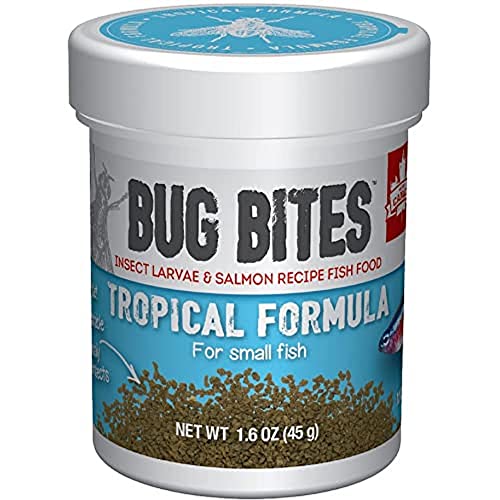
| High-quality tropical flakes | Staple | Your everyday base food. Look for brands where whole fish or shrimp is the first ingredient, not filler. |
| Micro pellets | Staple | Slow-sinking pellets sized for small mouths. Less water pollution than flakes since they hold together better. |
| Frozen brine shrimp | Supplementary | Excellent protein source. Guppies go absolutely nuts for these. Feed 2–3 times per week. |
| Frozen daphnia | Supplementary | Acts as a natural laxative, great for preventing constipation and bloating. Feed 1–2 times per week. |
| Freeze-dried bloodworms | Treat | High protein treat. Soak before feeding to prevent digestive issues. Once or twice a week max. |
| Blanched vegetables | Supplementary | Zucchini, cucumber, shelled peas, and spinach. Provides fiber and nutrients. Remove uneaten portions after a few hours. |
Feeding Schedule
Feed adult guppies once or twice a day, only as much as they can eat in about one minute. Guppies have tiny stomachs (roughly the size of their eye), so overfeeding is one of the most common beginner mistakes. Uneaten food breaks down, spikes ammonia, and that’s when problems start. If you’re raising fry, bump it up to 3–4 small feedings per day to support their growth.
Tank Mates
Guppies are peaceful community fish that get along with most similarly sized, non-aggressive species. They spend most of their time in the upper and middle levels of the tank, so bottom-dwellers make especially good companions since they occupy different zones. The main things to watch out for are fin nippers (those flowing tails are irresistible targets) and anything big enough to eat a guppy. For a deeper look at compatibility, check out our full guide on what types of fish can live with guppies.
| Species | Compatibility | Notes |
|---|---|---|
| Corydoras Catfish | Good | Peaceful bottom-dwellers that stay out of the guppies’ way. Keep in groups of 6+. They’ll clean up fallen food too. |
| Nerite Snails | Good | Excellent algae eaters, totally peaceful, and they won’t reproduce in freshwater. Perfect tankmates. |
| Harlequin Rasboras | Good | Peaceful schooling fish with overlapping water parameter needs. Keep in groups of 6+ in a 20-gallon or larger. |
| Cherry Shrimp | Good | Adult cherry shrimp are generally safe with guppies. Baby shrimp may be eaten, so heavy planting helps. Great cleanup crew. |
| Platies / Mollies | Good | Fellow livebearers with similar care requirements. Mollies prefer slightly harder water. Both species will breed readily. |
| Tiger Barbs | Caution | Notorious fin nippers. Those guppy tails are too tempting. Only works in a large tank (40+ gallons) with 8+ barbs to keep aggression focused within the school. |
| Dwarf Gourami | Caution | Usually peaceful, but individual males can be territorial. Monitor closely for the first few weeks. Needs a 20-gallon minimum with guppies. |
| Angelfish | Avoid | Adult angelfish will eat guppies. They’re ambush predators, and guppies are the perfect bite-sized snack. Hard no. |
Health and Common Diseases
A healthy guppy is an active guppy. They should be swimming constantly, colors should be bright, fins should be fully spread (not clamped), and they should eat eagerly at feeding time. Clear eyes, smooth scales, and no visible spots or fuzz are all good signs.
Unfortunately, modern fancy guppies have been inbred so heavily for color and fin shape that they’re more susceptible to disease than they used to be. Buying from reputable breeders or choosing hardier varieties (like Endler’s or mutt guppies) helps, but you still need to know what to watch for.
Common Diseases
| Condition | Symptoms | Treatment |
|---|---|---|
| Ich (White Spot Disease) | Small white spots covering the body and fins, scratching against objects, lethargy, rapid gill movement | Gradually raise temperature to 82 °F and treat with an ich medication (malachite green or formalin-based). Continue treatment for 3 days after spots disappear to kill all life stages. |
| Fin Rot | Fraying, discolored, or receding fin edges, often with white or red margins. Usually starts at the tail. | Improve water quality immediately (the #1 cause). Mild cases often heal with clean water alone. Severe cases need antibiotics like Maracyn or Kanaplex. Isolate affected fish. |
| Guppy Disease (Protozoan) | Clamped fins, skin turning pale or gray, loss of appetite, lethargy, wasting away. Caused by the protozoan Tetrahymena. | Difficult to treat once advanced. Salt baths (1 tablespoon per 5 gallons), Seachem ParaGuard, or formalin dips. Quarantine immediately. Prevention through clean water is critical. |
| Velvet (Gold Dust Disease) | Fine gold or rust-colored dust on the skin (easier to see with a flashlight at an angle), scratching, rapid breathing, clamped fins | Darken the tank (the parasite uses photosynthesis), raise temperature slightly, and treat with copper-based medication. Seachem ParaGuard also works. |
| Dropsy | Severely bloated body, scales sticking out like a pinecone, lethargy, loss of appetite | Often a symptom of organ failure rather than a standalone disease. Epsom salt baths can reduce swelling. Antibiotics (Kanaplex) may help if caught very early. Prognosis is usually poor. |
Prevention
Almost every disease on that list comes back to water quality. Weekly water changes, not overstocking, not overfeeding, and quarantining new fish for 2–4 weeks before adding them to your main tank will prevent the vast majority of health issues. A varied diet with good nutrition also keeps their immune system strong.
Breeding
Here’s the honest truth about guppy breeding: if you have males and females in the same tank, you’re breeding guppies. It’s not a matter of “if.” It’s a matter of “how many.” Guppies are livebearers, meaning females give birth to free-swimming fry instead of laying eggs. A single female can drop 20–50 babies every 25–35 days, and she can store sperm from a single mating for months. The math gets insane fast.
Males are relentless breeders. They’ll chase females constantly, which is why maintaining a ratio of 2–3 females per male is important. It spreads the attention out so no single female gets harassed to exhaustion. You can identify a pregnant female by her increasingly swollen belly and a darkening gravid spot near the base of her tail. As she gets close to giving birth, you might notice her hiding in plants or corners and refusing food. For more details on the process, check out our guide on how guppies mate.
Fry Survival
In a community tank, most fry will be eaten, including by their own parents. If you want to save fry, dense floating plants like java moss or guppy grass give newborns places to hide. A separate breeding/nursery tank is more reliable. Feed fry crushed flakes or powdered fry food 3–5 times per day in tiny amounts. Baby brine shrimp are the gold standard for fast growth.
Population Control
This is the part nobody warns you about. If you don’t manage your guppy population, you’ll go from 6 fish to 60 in a few months. Your options:
Keep only males. This is the simplest approach if you just want colorful fish without the population explosion. All-male tanks work fine, with minimal aggression between males.
Let nature take its course. In a community tank with other fish, natural predation keeps numbers somewhat in check.
Rehome or sell surplus fish. Local fish stores, aquarium clubs, and online forums are all good outlets for rehoming extra guppies.
Frequently Asked Questions
How many guppies can I keep in a 10-gallon tank?
A comfortable number is 5–6 adult guppies in a 10-gallon. You could push it to 8 with strong filtration and regular water changes, but more than that and you’ll be fighting water quality issues constantly. Remember that if you have females, fry will add to that number fast.
Are guppies hard to keep alive?
No, guppies are one of the easiest freshwater fish to keep. They tolerate a wide range of water conditions, eat just about anything, and are generally hardy. The main reasons people lose guppies are uncycled tanks, poor water quality from overfeeding, or buying genetically weak stock from mass breeders. Get the basics right and they’re almost bulletproof.
Do guppies need a heater?
Yes, in almost all cases. Guppies are tropical fish that need water between 72–82 °F. Unless your room stays consistently in that range 24/7 (including overnight), you need a heater. Temperature drops, even short ones, stress guppies and make them vulnerable to disease, especially ich.
Can guppies live with bettas?
Sometimes, but it’s risky. Male guppies have colorful, flowing fins that can trigger a betta’s territorial aggression. The betta may see them as a rival. It works best with female guppies and a calm-tempered betta in a 20-gallon or larger tank with lots of plants and hiding spots. But it’s a gamble, and I wouldn’t recommend it for beginners.
How fast do guppies breed?
Extremely fast. A female guppy can give birth every 25–35 days, producing 20–50 fry per batch. She reaches sexual maturity around 2 months old and can store sperm for multiple pregnancies from a single mating. If you start with 3 females, you could easily have 100+ guppies within a few months without any effort on your part.
Final Thoughts
Guppies are one of the best freshwater fish you can keep. They’re colorful, active, affordable, and genuinely easy to care for once you nail down the basics. Give them a proper-sized tank (10 gallons minimum), stable warm water, a varied diet, and peaceful tank mates, and they’ll reward you with endless color and personality.
The only real “challenge” with guppies is population control. If you keep males and females together, you will have babies, lots of them. That’s either a feature or a bug depending on your perspective. An all-male tank solves it completely if you just want the visual payoff without the fry management.
Whatever direction you go, invest in a reliable aquarium heater and a solid filter, feed a varied diet, stay on top of water changes, and your guppies will thrive. They’ve been one of the most popular aquarium fish in the world for over a century, and once you keep them, you’ll understand exactly why.