Disclosure: This post contains affiliate links. If you purchase through a link on this page, we may earn a small commission at no extra cost to you. We only recommend products we’d use in our own tanks.
I walked into the living room one afternoon to find a family member spraying Febreze about four feet from my tank. My first thought was “that’s probably fine.” Then I watched the mist settle toward the water surface, and that confidence disappeared pretty quickly. Nothing bad happened that time, but it sent me down a research rabbit hole and what I found changed how my entire household treats air fresheners.
The short answer: yes, air fresheners can absolutely affect your aquarium. The chemicals they release into the air can settle on the water surface, dissolve into your tank water, get drawn in by your air pump, and end up in your fishes’ gills. In serious cases, they can kill fish. In less obvious cases, they cause chronic low-level stress that weakens immune systems and creates conditions for disease. Here’s what you actually need to worry about, what’s probably fine, and how to protect your tank.
How Airborne Chemicals Get Into Your Tank
Your aquarium isn’t a sealed system. Even tanks with lids have gaps around filter intakes, airline tubing, heater cords, and feeding openings. Rimless tanks and open-top setups are completely exposed. When you spray, diffuse, or burn something that releases chemicals into the air, those particles eventually settle – and the water surface of your tank is a magnet for them.
Once airborne chemicals reach your tank water, three things can happen. First, they can form an oily film on the water surface that blocks gas exchange – oxygen can’t get in, and CO2 can’t get out. This is what causes that sheen you sometimes see, and it’s why your fish might start gasping at the surface. Second, water-soluble chemicals dissolve directly into the water column, where they’re filtered through your fishes’ gills with every breath. Third, your air pump (if you run one) actively sucks room air and pumps it directly into the water, which is essentially a chemical delivery system if the air is contaminated.
Your filter media makes things worse, not better. Chemical-laden water passes through your filter media, and those chemicals get trapped in the bio media and sponges where your beneficial bacteria live. Now every water cycle through the filter is running through a reservoir of contaminants. The one exception is activated carbon – it actually adsorbs (traps) many chemical contaminants, which is why it’s your first line of defense when something gets into the water.
Risk Level by Product Type
Not all air fresheners are equally dangerous. The risk depends on how the product disperses chemicals, what chemicals it contains, and how long it operates. Here’s how the most common types stack up.
| Product Type | Risk Level | Why |
|---|---|---|
| Aerosol sprays (Lysol, Febreze) | High | Propels fine chemical mist into the air that settles on surfaces including water. Contains phthalates, quaternary ammonium compounds, and VOCs. |
| Plug-in oil diffusers (Glade, Air Wick) | High | Continuously vaporize scented oils 24/7. Low dose but constant exposure causes chemical accumulation over time. Contains dipropylene glycol, which is water-soluble. |
| Essential oil diffusers/misters | Moderate | Essential oils contain phenols and terpenes that are toxic to fish at low concentrations. Tea tree, eucalyptus, and clove oil are particularly dangerous. |
| Scented candles | Low-Moderate | Occasional use is generally fine. Paraffin wax candles release more VOCs than soy or beeswax. Strong-scented candles used frequently in the same room are more concerning. |
| Reed diffusers (passive) | Low | Slow, passive evaporation. Release minimal chemical volume. Safest scented option for rooms with aquariums, though still not ideal directly next to a tank. |
| Solid gel fresheners (Renuzit) | Low | Passive evaporation, no propellant, minimal airborne dispersal. Lowest risk but still avoid placing directly next to an open-top tank. |
The Specific Chemicals That Harm Fish
Not every ingredient in an air freshener is toxic to fish. The ones to be aware of are quaternary ammonium compounds (found in Lysol and many antibacterial sprays), which are classified as highly toxic to fish at concentrations as low as 280 micrograms per liter and harmful at just 32 micrograms per liter. Phthalates, used as fragrance carriers in many spray products, are endocrine disruptors that affect fish reproduction and development. Dipropylene glycol, the base ingredient in most plug-in fresheners, is water-soluble and breaks down into compounds that fuel bacterial blooms in aquarium water. Volatile organic compounds (VOCs) released by most scented products can cause gill irritation and respiratory distress in fish.
To put the concentration risk in perspective: if you sprayed Lysol directly into a 10-gallon tank (don’t do this), the quaternary ammonium compound would reach roughly 0.25 micrograms per liter – well below harmful levels from a single exposure. The danger isn’t usually a single spray across the room. It’s the cumulative effect of daily or continuous exposure from plug-ins, frequent spraying, or multiple products used in the same room over weeks and months.
What To Do If Air Freshener Is Sprayed Near Your Tank
If someone just sprayed Febreze or Lysol in the same room as your tank, don’t panic – but act quickly. Here’s the response in order of priority.
Ventilate immediately. Open windows, turn on ceiling fans, and run any bathroom or kitchen exhaust vents nearby. The faster you move contaminated air out of the room, the less settles on your water surface. An attic fan, if you have one, is especially effective at pulling air out of the house.
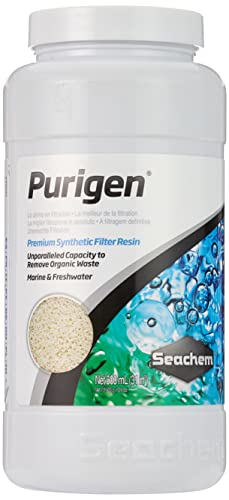
Add activated carbon or Purigen to your filter. Both are excellent at adsorbing dissolved organic compounds and chemical contaminants from the water. Drop a bag of activated carbon or Seachem Purigen into your filter as a temporary measure. Remove it after about a week once the contamination risk has passed.
Do a water change. A 30-50% water change dilutes whatever has dissolved into the water column. If the exposure was heavy (someone sprayed directly near the tank), do another 25% change 24 hours later. Use a good dechlorinator as usual.
Check your water parameters. Some airborne chemicals can shift pH levels. Test with your test kit and treat accordingly if anything is off.
Monitor your fish for 24-48 hours. Watch for gasping at the surface, clamped fins, loss of color, erratic swimming, or loss of appetite. If symptoms appear, do another water change and increase aeration. If fish look normal after 48 hours, they’re almost certainly fine.
How To Protect Your Tank Long-Term
The most effective solution is the most obvious one: don’t use air fresheners in the same room as your aquarium. But I also live in the real world where other people in the house have opinions about how the living room smells, so here are practical compromises that actually work.
Close the door. If your tank is in a room with a door, close it before anyone sprays anything in another part of the house. Simple and effective.
Use a lid. A glass lid or canopy significantly reduces the amount of airborne chemicals that reach your water surface. It’s not a perfect seal, but it cuts exposure dramatically compared to an open-top setup. If you absolutely must spray something in the same room, cover the tank temporarily with a towel or plastic wrap over any openings, and turn off your air pump so it stops pulling contaminated room air into the water.
Switch to lower-risk alternatives. If the household demands some kind of scent, passive reed diffusers and solid gel fresheners are the safest options. Unscented beeswax or soy candles burned occasionally are also generally safe. Avoid plug-in diffusers entirely in rooms with aquariums – the continuous 24/7 chemical output is the most dangerous scenario because it allows contaminants to accumulate over time.
Run activated carbon in your filter. As mentioned above, keeping carbon in your filter media at all times provides a passive chemical defense. It won’t catch everything, but it will remove many dissolved organic compounds before they reach harmful levels.
Keep filter socks or floss fresh. Mechanical filtration media traps solid particles, including chemical residue that settles on the water surface. Change filter floss weekly and filter socks every few days if you’re in a high-exposure environment.
Other Household Products That Are Dangerous to Fish
Air fresheners aren’t the only household threat. While you’re thinking about what goes into the air near your tank, be aware of these common killers that fishkeepers often overlook.
Flea spray and insecticides are the number one household fish killer. Permethrin and pyrethrin (common active ingredients in flea treatments) are extraordinarily toxic to fish – even the residue on a recently treated pet walking past your tank can be enough. If you treat a dog or cat for fleas, keep them out of the room with the aquarium until the treatment has fully dried.
Glass cleaner, furniture polish, and antibacterial sprays are all dangerous when sprayed near tanks. The rule is simple: never spray any cleaning product in the same room as an aquarium. Spray onto a cloth in another room, then bring the cloth back to wipe surfaces.
Hand soap and lotion residue on your hands will transfer directly into the water when you reach into the tank. Always rinse your hands thoroughly with plain water (no soap) before putting them in the aquarium. This includes sunscreen, hand sanitizer, and perfume.
Paint and varnish fumes are highly toxic to fish. If you’re painting a room with an aquarium in it, move the tank or cover it completely and run zero air exchange (air pump off, lid sealed) until fumes have fully dissipated. Better yet, move the fish to a temporary setup in another part of the house.
FAQ
Can Febreze kill fish?
A single spray across the room is unlikely to kill fish in a covered tank, but repeated or heavy use in the same room can cause problems. Febreze contains cyclodextrin and other compounds that can form a surface film on water and irritate fish gills. Multiple fishkeepers have reported fish deaths after heavy Febreze use near their tanks. Keep it out of the room entirely if possible.
Are Glade plug-ins safe around fish tanks?
No. Plug-in fresheners are among the most dangerous options because they release chemicals continuously, 24 hours a day. The low per-hour output creates a false sense of safety, but the cumulative effect over days and weeks allows chemicals to build up in your tank water. Remove any plug-in fresheners from rooms containing aquariums.
Can I burn candles in the same room as my fish tank?
Occasional candle use is generally safe, especially unscented candles or those made from soy or beeswax. Paraffin candles release more VOCs when burned, and heavily scented candles used daily in a small room with an aquarium can cause problems over time. If you burn candles, run activated carbon in your filter and don’t place them directly next to the tank.
Are essential oil diffusers safe around aquariums?
Most are not. Essential oils contain phenols and terpenes that are toxic to fish at surprisingly low concentrations. Tea tree oil, eucalyptus, and clove oil are particularly dangerous (clove oil is actually used as a fish anesthetic and can be lethal at higher doses). If you use an essential oil diffuser, keep it in a different room with the door closed.
My fish are gasping at the surface after someone sprayed air freshener. What do I do?
This indicates either oxygen depletion (from a surface film blocking gas exchange) or gill irritation from dissolved chemicals. Immediately increase aeration (point a powerhead at the surface or add an air stone), do a 50% water change, add activated carbon to your filter, and ventilate the room. If symptoms persist after 2-3 hours, do another water change and consider adding Seachem Prime, which detoxifies some chemical compounds.

Does a tank lid protect fish from air fresheners?
A glass lid significantly reduces exposure but doesn’t eliminate it completely. Gaps around filter intakes, heater cords, and feeding openings still allow airborne chemicals to reach the water. A lid also doesn’t protect against air pumps, which draw room air and pump it directly into the water. A lid combined with turning off the air pump during exposure is the best protection short of not using air fresheners at all.
Final Thoughts
Your aquarium doesn’t exist in a bubble. Everything that goes into the air in your home eventually interacts with your tank water to some degree. The good news is that a single accidental spray across the room is unlikely to cause a catastrophe. The bad news is that cumulative exposure from plug-ins, daily spraying, or multiple scented products in the same room will eventually catch up with you – and the first sign of trouble is usually sick fish or a mysterious die-off you can’t explain.
The practical takeaway: remove plug-in fresheners from any room with an aquarium, avoid spraying anything in the tank’s room, keep a glass lid on your tank, and run activated carbon in your filter at all times as a safety net. If you want the room to smell nice, a passive reed diffuser on the opposite side of the room from the tank is the safest compromise.