You just brought home a bag of mollies, dropped them in your tank, and now one is shimmying in the corner while another is nipping at your guppy’s tail. Sound familiar? Getting molly fish care right from the start makes the difference between a thriving community tank and a frustrating cycle of sick fish and emergency water changes.
Mollies are one of the most popular freshwater fish in the hobby, and for good reason. They come in a huge range of colors and body shapes, they’re active and personable, and they adapt to a wide variety of water conditions. They’re livebearers, which means you’ll likely end up with adorable fry swimming around your tank whether you planned for it or not. But mollies have a reputation for being “easy” that can be misleading. They actually have specific water chemistry needs that, if ignored, lead to the dreaded shimmies, fin rot, and early death. Get those needs right, though, and you’ll have hardy, entertaining fish that can live four to five years.
Disclosure: This post contains affiliate links. If you purchase through a link on this page, we may earn a small commission at no extra cost to you. We only recommend products we’d use in our own tanks.
Molly Fish Quick Overview
| Parameter | Details |
|---|---|
| Common Names | Molly, Black Molly, Sailfin Molly, Dalmatian Molly, Balloon Molly, Lyretail Molly |
| Scientific Name | Poecilia sphenops, Poecilia latipinna, Poecilia velifera |
| Family | Poeciliidae |
| Origin | Central and South America (Mexico, Guatemala, Colombia) |
| Adult Size | 3–4.5 inches (short-fin); up to 5 inches (sailfin) |
| Lifespan | 3–5 years (up to 6 with excellent care) |
| Tank Size | 20 gallons minimum (30+ for sailfin varieties) |
| Temperature | 72–82°F (22–28°C) |
| pH | 7.5–8.5 |
| Temperament | Peaceful, active, social (can be nippy) |
| Diet | Omnivore — flakes, pellets, algae, frozen foods, blanched vegetables |
| Care Level | Easy to Moderate |
Appearance
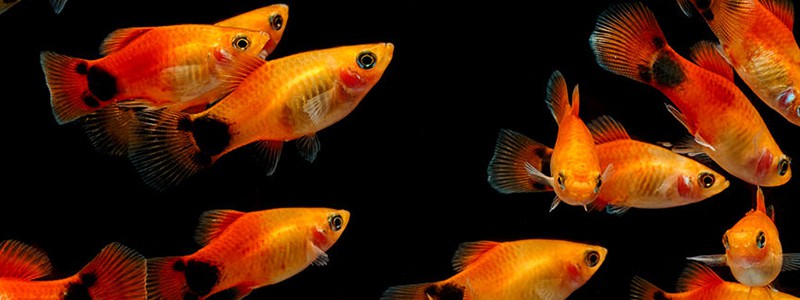
Mollies have a classic livebearer body shape — somewhat elongated with a rounded belly and a slightly flattened head. But within that basic blueprint, there’s a surprising amount of variety. Decades of selective breeding have produced mollies in just about every color you can imagine: jet black, bright orange, creamy gold, silver, pure white, and spotted patterns like the ever-popular dalmatian.
Body shape varies significantly between varieties too. Standard short-fin mollies (Poecilia sphenops) are sleek and streamlined, reaching about 3 to 4 inches. Sailfin mollies (Poecilia latipinna and P. velifera) are larger, up to 5 inches, with males sporting a dramatically oversized dorsal fin that fans out like a sail. Balloon mollies have a rounded, compressed body caused by a shortened spine — they’re eye-catching, but I’ll be honest, the trait does come from selectively breeding fish with spinal deformities, which is a fair ethical consideration.
Telling males from females is straightforward once you know what to look for. Males have a gonopodium — a modified anal fin that’s narrow and pointed, used for internal fertilization. Females have a standard fan-shaped anal fin. Males are also typically smaller and slimmer than females, and in sailfin varieties, the males’ dorsal fin is significantly taller.
Popular Molly Fish Types and Varieties
Most mollies in pet stores are hybrids of Poecilia sphenops and Poecilia latipinna, bred for specific colors and fin shapes. Here are the varieties you’ll most commonly encounter:
| Variety | Size | Description |
|---|---|---|
| Black Molly | 3–4 in | Solid velvety black coloration. One of the most popular and widely available varieties. Melanistic form of P. sphenops. Hardy and beginner-friendly. |
| Dalmatian Molly | 3–5 in | White or silver base with irregular black spots, resembling a Dalmatian dog. Available in short-fin, sailfin, lyretail, and balloon body types. |
| Sailfin Molly | 4–5 in | Males display a large, fan-like dorsal fin. Comes in many color variants. Needs a larger tank (30+ gallons) due to size. P. latipinna or P. velifera origin. |
| Balloon Molly | 2–3 in | Rounded, compact body with an arched back. Available in many colors. Shorter lifespan than standard mollies due to the compressed spine trait. Slightly more delicate. |
| Lyretail Molly | 3–4 in | Tail fin has elongated upper and lower tips forming a lyre shape. Comes in various colors and can be combined with sailfin or dalmatian patterns. |
| Gold Dust Molly | 3–4 in | Striking gold and black coloration, with the front half typically bright gold fading to black toward the tail. A real standout in planted tanks. |
| Creamsicle Molly | 3–5 in | White body with bright orange or yellow highlights on the dorsal fin. Often a sailfin variety. Peaceful and eye-catching. |
| Platinum/Silver Molly | 3–4 in | Solid silvery-white body with a slight iridescent sheen. Clean, elegant look that pairs well with planted or darker-themed tanks. |
Tank Setup
Mollies are active swimmers that need more room than most beginners expect. Getting the tank setup right from the beginning will prevent a lot of the health issues these fish are known for.
Tank Size
I recommend a 20-gallon tank as the minimum for a small group of standard mollies. Yes, you’ll see guides saying 10 gallons is fine — and technically two mollies can survive in a 10-gallon — but mollies are active, social fish that do much better with swimming room. A 20-gallon long gives them the horizontal space they crave. For sailfin varieties, bump that up to 30 gallons minimum, and honestly, a 40-breeder or 55-gallon is where sailfins really thrive.
Plan for roughly one molly per 3 to 5 gallons of water, and always keep them in groups of at least four. If you’re keeping males and females together (and you probably will be), aim for a ratio of one male to every three females to spread out the males’ constant attention and reduce stress on any single female.
Filtration
Mollies produce a fair amount of waste for their size, so good filtration is non-negotiable. A hang-on-back (HOB) filter or a sponge filter works well for tanks up to 30 gallons. For larger community setups, a canister filter gives you the best mechanical, biological, and chemical filtration. Whatever you choose, make sure the flow isn’t too aggressive — mollies prefer gentle to moderate current. If you need a recommendation, check out our guide to the best aquarium filters.
Heating
Mollies are tropical fish that need a stable temperature between 72°F and 82°F, with 76–80°F being the sweet spot. A reliable adjustable heater is essential unless you live somewhere that stays consistently warm. Temperature swings of more than 2 degrees in 24 hours can stress mollies and trigger disease, so invest in a quality heater. We have a full breakdown of the best aquarium heaters if you need help choosing one.
Water Conditions
This is where a lot of people get molly care wrong. Mollies have specific water chemistry preferences that differ from many other tropical community fish.
| Parameter | Ideal Range |
|---|---|
| Temperature | 72–82°F (22–28°C) |
| pH | 7.5–8.5 |
| General Hardness (GH) | 12–25 dGH |
| Carbonate Hardness (KH) | 8–12 dKH |
| Ammonia / Nitrite | 0 ppm |
| Nitrate | Below 40 ppm (under 20 is better) |
Pro Tip: If your tap water is soft and acidic, add crushed coral to your filter or substrate to naturally buffer your pH and hardness upward. Seachem Equilibrium is another solid option for remineralizing soft water. Mollies absolutely need hard, alkaline water to stay healthy.
The Salt Debate — My Take
You’ll hear it everywhere: “mollies need salt.” Here’s the truth — they don’t. The idea comes from the fact that some wild molly species (especially P. latipinna) are euryhaline, meaning they can tolerate a wide range of salinities from pure freshwater to full marine. But tolerance isn’t the same as requirement. In the wild, most molly populations are found in freshwater habitats like inland streams and swamps.
What mollies actually need is hard, mineral-rich, alkaline water. When people add aquarium salt and see their mollies improve, it’s often because the salt is raising mineral content and conductivity — not because the fish needed “brackish” conditions. If your water is already hard and alkaline (pH 7.5+, GH above 12), you don’t need to add salt at all. If your water is soft and acidic, adding a small amount of aquarium salt (1 tablespoon per 5 gallons) or using a mineral supplement can help, but cichlid salts or crushed coral will achieve the same thing without making your tank incompatible with other freshwater species.
Substrate and Decorations
Mollies aren’t picky about substrate. Fine gravel or sand both work well — just lay down 1 to 2 inches. If you’re using sand and need help selecting one, check out our guide to the best aquarium sand substrates. Include some live plants like java fern, anubias, or vallisneria — mollies love to graze on algae that grows on plant leaves and decor. Dense plant clusters also give fry a place to hide, which improves survival rates if you’re interested in breeding. Leave plenty of open swimming space in the center of the tank, though. These fish are active and need room to cruise.
Diet and Feeding
Mollies are omnivores with a strong leaning toward herbivory. In the wild, they spend a good chunk of their day grazing on algae and biofilm. In your tank, they’ll eat just about anything you offer, but a good diet should emphasize plant-based foods with regular protein supplementation.
Recommended Foods
| Food Type | Examples | Frequency |
|---|---|---|
| Staple Flakes/Pellets | High-quality tropical flakes with spirulina content, micro pellets | Daily (1–2x) |
| Algae-Based Foods | Spirulina flakes, algae wafers, Repashy Soilent Green | 2–3x per week |
| Frozen/Live Protein | Bloodworms, brine shrimp, daphnia | 1–2x per week |
| Vegetables | Blanched zucchini, cucumber, spinach, shelled peas | 1–2x per week |
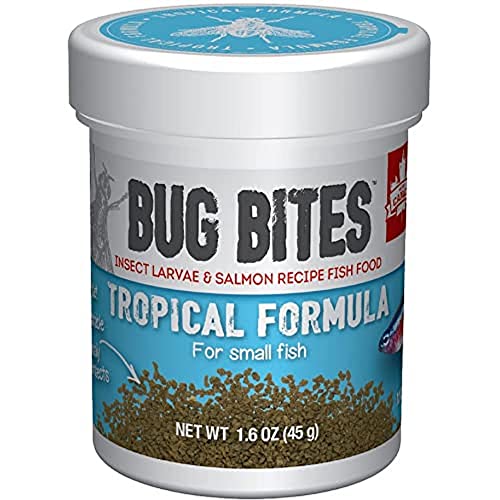
Here are a few foods I’d recommend keeping on hand for your mollies:
Feeding Schedule
Feed your mollies twice a day, giving only what they can consume in about 2 to 3 minutes per feeding. Mollies are enthusiastic eaters and will always act hungry, but overfeeding leads to poor water quality and bloating. One day of fasting per week is fine and can even be beneficial for their digestion. Vary the diet throughout the week — don’t just feed the same flake food every single day.
Warning: Remove uneaten food within a few minutes. Mollies are messy eaters, and leftover food rots quickly, spiking ammonia levels. This is especially important in smaller tanks where water quality can deteriorate fast.
Tank Mates
Mollies are generally peaceful community fish, but they’re not pushovers. They’re active, curious, and occasionally nippy — especially males competing for female attention. They do best with other peaceful, similarly-sized fish that appreciate the same hard, alkaline water conditions. Avoid housing them with slow-moving, long-finned species (like fancy guppies or bettas) that might become targets for fin nipping, and steer clear of aggressive cichlids that could bully them.
| Species | Compatibility | Notes |
|---|---|---|
| Platies | Good | Fellow livebearers with nearly identical water needs. One of the best pairings possible. |
| Swordtails | Good | Another livebearer that thrives in hard, alkaline water. Similar temperament and size. |
| Corydoras Catfish | Good | Peaceful bottom-dwellers that stay out of the mollies’ way. Keep in groups of 6+. |
| Bristlenose Pleco | Good | Great algae cleanup crew. Peaceful and stays to itself on the bottom of the tank. |
| Dwarf Gourami | Caution | Generally compatible, but male gouramis can be territorial. Provide plenty of cover. |
| Guppies | Caution | Can work in larger tanks, but mollies may nip fancy guppy fins. Watch for aggression and potential crossbreeding. |
| Betta Fish | Avoid | Mollies are too nippy and active for bettas. Different water hardness preferences too. |
| African Cichlids | Avoid | Far too aggressive. Even though water parameters overlap, cichlids will harass and injure mollies. |
Health and Common Diseases
Healthy mollies are active, have bright coloring, eat eagerly, and swim with smooth, confident movements through all levels of the tank. When something’s off, you’ll notice it — clamped fins, color fading, lethargy, loss of appetite, or the telltale shimmy that gives “molly disease” its name.
Common Molly Fish Diseases
| Disease | Symptoms | Cause & Treatment |
|---|---|---|
| Shimmies (Molly Disease) | Fish rocks side to side in place, unable to swim normally. Clamped fins, lethargy. | Not a disease itself — a neurological symptom of mineral deficiency, soft/acidic water, or stress. Fix by raising GH/KH with crushed coral, Wonder Shell, or Seachem Equilibrium. Ensure stable temperature. |
| Ich (White Spot Disease) | Tiny white salt-like spots on body, fins, and gills. Flashing (rubbing against objects). | Caused by the Ichthyophthirius parasite. Raise temperature to 86°F gradually, add aquarium salt (1 tsp per gallon), or treat with ich medication. |
| Fin Rot | Ragged, fraying, or disintegrating fin edges. May have white or red margins. | Bacterial infection triggered by poor water quality or stress. Improve water conditions first. Treat with antibacterial medication (Kanaplex, Furan-2) if it progresses. |
| Columnaris | White or grayish cotton-like patches on mouth, body, or fins. Rapid progression. | Bacterial (Flavobacterium columnare). Highly contagious. Treat aggressively with Kanamycin or Furan-2. Lower temperature slightly — unlike ich, warmth accelerates columnaris. |
| Velvet | Fine gold or rust-colored dust on skin. Scratching, rapid breathing, lethargy. | Caused by Oodinium parasite. Dim the lights (parasite uses photosynthesis). Treat with copper-based medication. Aquarium salt can aid recovery. |
Prevention Tips
The overwhelming majority of molly health problems trace back to water quality and water chemistry. Here’s how to keep your mollies healthy:
- Maintain hard, alkaline water — pH 7.5+, GH above 12 dGH. This is the single most important factor.
- Perform weekly 25% water changes — consistent maintenance prevents waste buildup.
- Test your water regularly — monitor ammonia, nitrite, nitrate, pH, and hardness.
- Quarantine new fish — two weeks minimum before adding them to your main tank.
- Avoid overcrowding — more fish means more waste and more stress.
- Feed a varied diet — good nutrition supports a strong immune system.
Breeding Mollies
Let me be blunt: if you keep male and female mollies together, they will breed. You don’t need to do anything special. Mollies are prolific livebearers, and the males are persistent to the point of being annoying — which is exactly why that 1:3 male-to-female ratio matters so much.
How Breeding Works
Males fertilize females internally using the gonopodium. Females can store sperm for months, meaning a single mating can result in multiple batches of fry. The gestation period is approximately 4 to 6 weeks, depending on water temperature (warmer water speeds things up slightly). When it’s time, the female gives birth to 20 to 100 live, free-swimming fry — no eggs involved.
Signs of a Pregnant Molly
A pregnant molly will develop a noticeably swollen belly and a dark gravid spot near her anal fin (this is easier to see on lighter-colored varieties). As she gets closer to delivery, she may become less active, hide more, and refuse food.
Fry Care
Here’s the part nobody warns you about: mollies will eat their own fry. The mother, the father, other tank mates — everyone sees baby mollies as a snack. If you want to save fry, you have a few options:
- Dense plant cover: Java moss, guppy grass, and floating plants give fry hiding spots. Some will survive naturally this way.
- Breeding box: Move the pregnant female to a breeding box shortly before delivery, then remove her immediately after she gives birth.
- Separate tank: A dedicated 10-gallon fry tank with a sponge filter is the most reliable approach.
Feed fry crushed flake food, powdered fry food, or baby brine shrimp 3 to 5 times a day in small amounts. Keep the water clean with small, frequent water changes. Fry grow quickly and can typically join the main tank once they’re large enough not to fit in an adult’s mouth — usually around 4 to 6 weeks.
Warning: If you don’t want an ever-growing molly population, keep only males or only females. An all-female group works particularly well, as females are less aggressive and won’t produce fry (assuming they weren’t already pregnant when you bought them — which, fair warning, they often are).
Frequently Asked Questions
Do molly fish need salt in their water?
No. Mollies do not require salt or brackish water. What they do need is hard, alkaline water with plenty of dissolved minerals (GH 12+ dGH, pH 7.5–8.5). If your tap water is naturally hard, no salt is necessary. If your water is soft, adding crushed coral or a mineral supplement is a better solution than aquarium salt, especially in a community tank with other freshwater species.
How many mollies can I keep in a 20-gallon tank?
A 20-gallon tank can comfortably house 4 to 6 standard mollies. Stick to the 1:3 male-to-female ratio — so one male and three females is a good starting group. If you want to keep sailfin mollies, which grow larger, drop that number to 3 or 4 and consider upgrading to a 30-gallon.
Why is my molly fish shimmying?
Shimmying — where the fish rocks side to side without moving forward — is a sign of mineral deficiency or poor water chemistry. Test your GH and KH. If they’re low, add crushed coral, a Wonder Shell, or Seachem Equilibrium to boost mineral content. Also check for temperature stability and ammonia/nitrite levels. The shimmies usually resolve once water chemistry is corrected.
Can mollies live with guppies?
Yes, but with caveats. Mollies can nip at fancy guppies with long, flowing fins. A larger tank (30+ gallons) with plenty of hiding spots reduces the risk. Also keep in mind that both are livebearers, and while they can occasionally hybridize, it’s rare. If your guppies have shorter fins (like endlers), the pairing tends to work much better.
How long do molly fish live?
With proper care, most mollies live 3 to 5 years. Some fishkeepers report their mollies reaching 6 years in well-maintained tanks with stable, hard water. Balloon mollies tend to have shorter lifespans (2 to 3 years) due to the compressed body shape affecting their internal organs.
Final Thoughts
Mollies are genuinely great community fish once you understand what they need. The key takeaway from this entire guide is water chemistry: hard, alkaline, mineral-rich water. Get that right, and you’ve solved about 80% of the problems people run into with mollies. Pair that with a properly-sized tank, a varied diet heavy on plant-based foods, and regular maintenance, and your mollies will reward you with years of activity and color.
If you’re looking for other livebearer care guides, check out our guppy fish care guide — guppies have overlapping care needs and make solid tank mates in larger setups. For more on building the right community tank around your mollies, our freshwater fish care hub has profiles on dozens of compatible species. And if you’re still setting up your tank, don’t skip the basics — a good heater and filter are the foundation everything else builds on.